
Paediatric Leg Alignment
Understanding normal changes in hip, knee and foot alignment from infancy to adolescence
fetal positioning, curved feet and early leg alignment
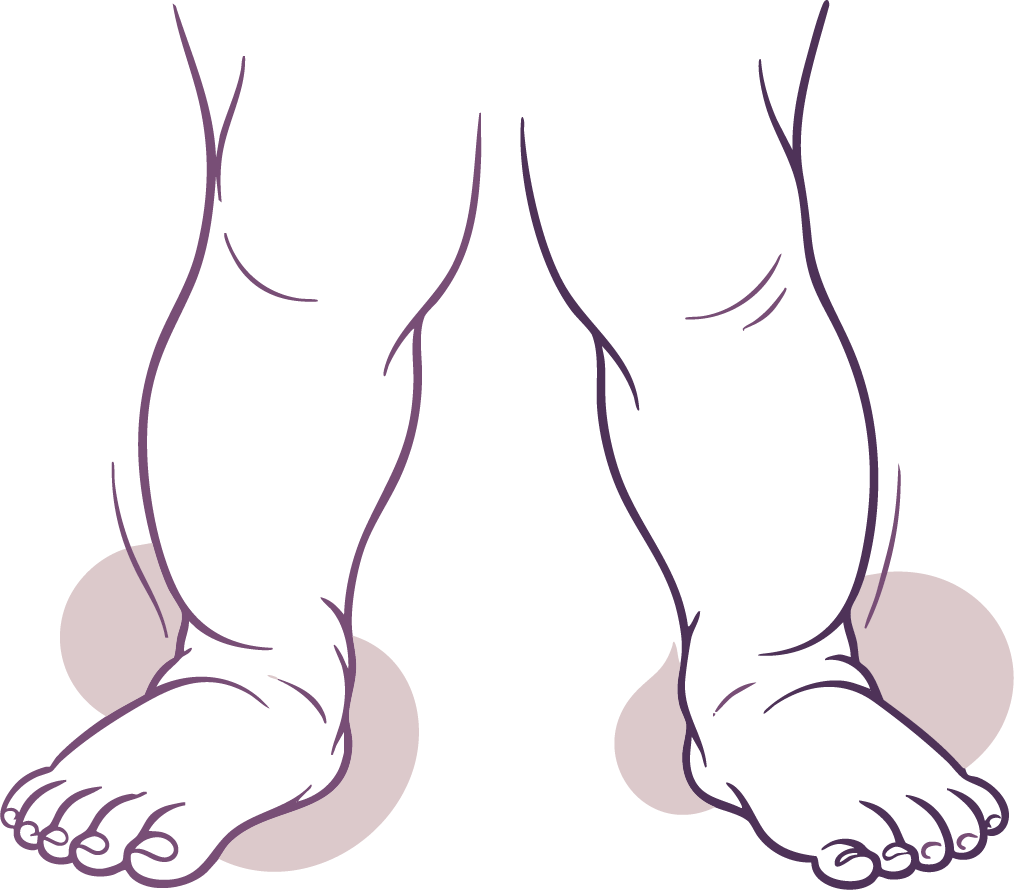
bow legs, wide-based walking and out-toeing
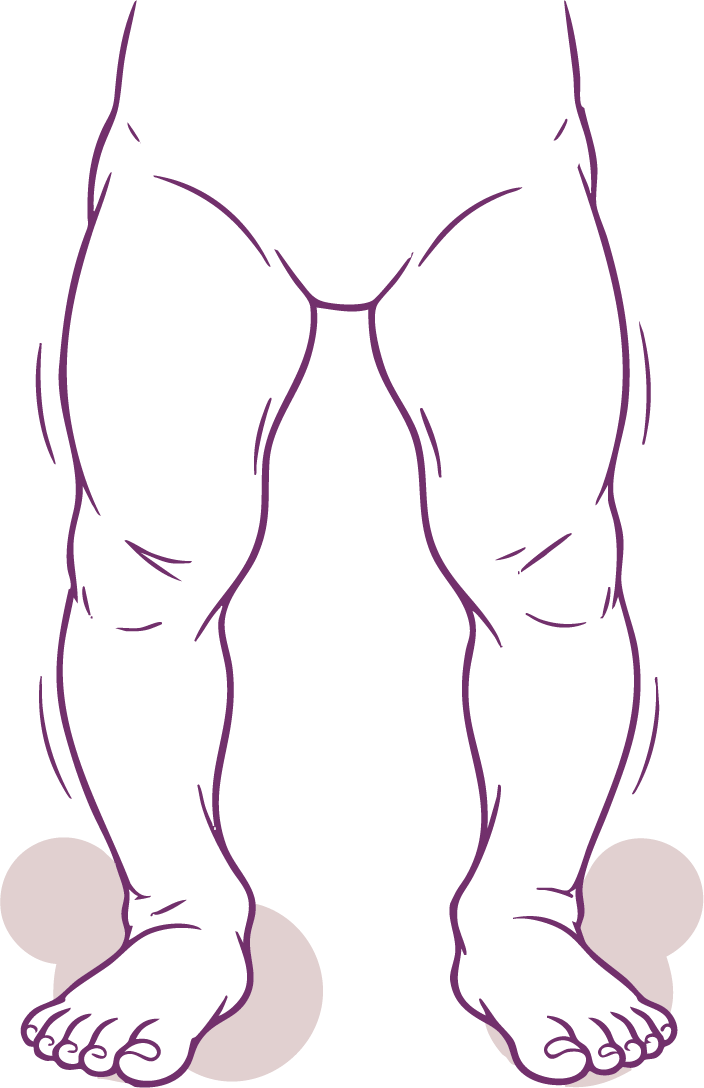
knock knees, developing arches and rotational changes
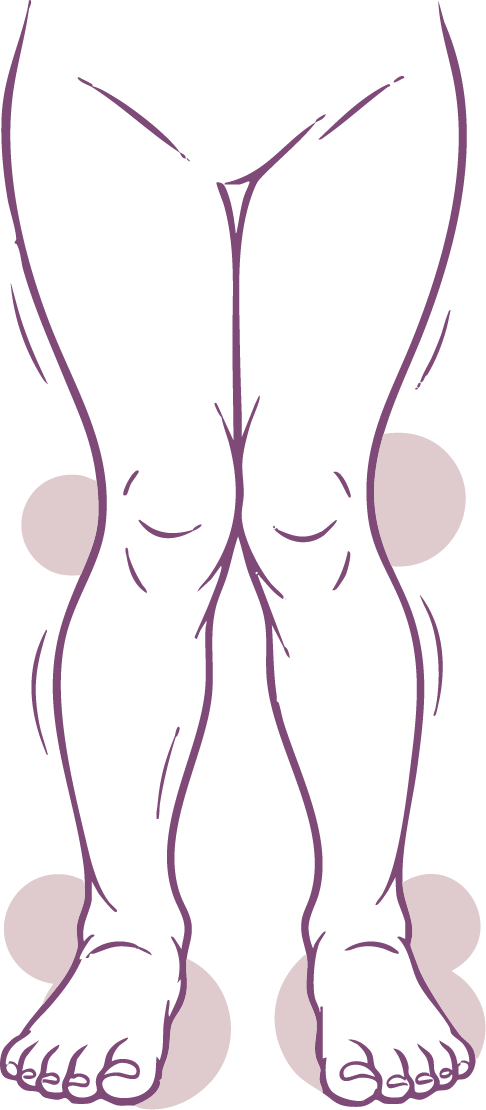
alignment approaching its more mature pattern
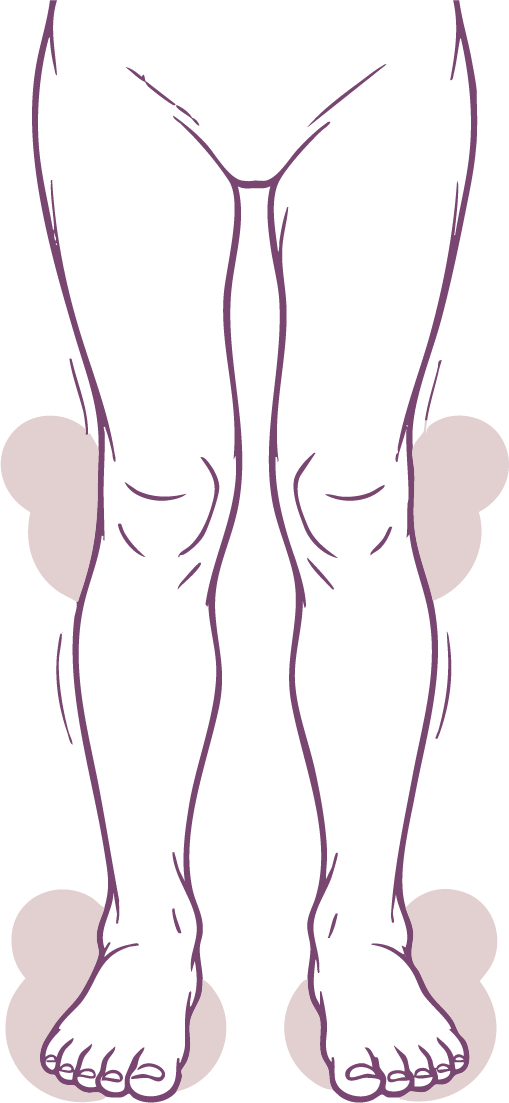
alignment approaching its more mature pattern
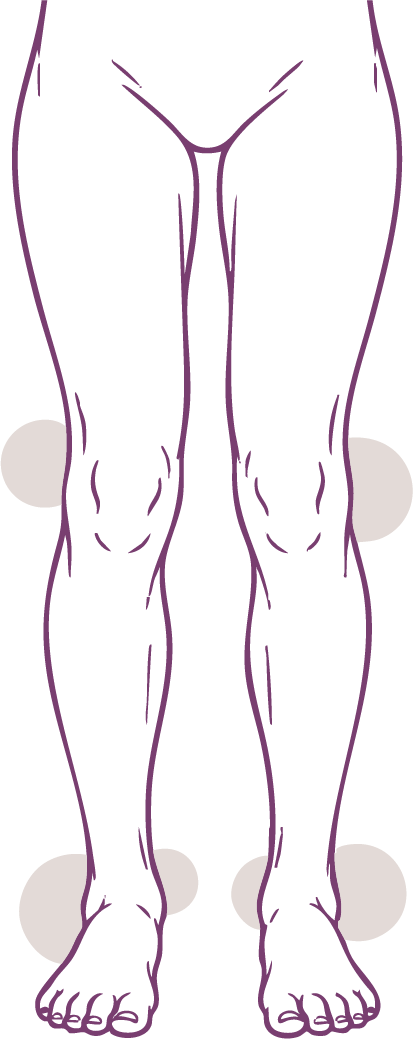
How the hip, knee and ankle each develop
Hip
Femoral anteversion is relatively high in early childhood and generally decreases with growth. Increased anteversion may contribute to in-toeing.
Knee
Physiological bowing progresses towards neutral alignment, followed by a period of knock knees before reaching a more mature alignment.
Tibia & Ankle
Tibial rotation gradually changes from relatively internal in infancy towards more external rotation during childhood, influencing foot progression angle.
Foot
Flexible flat feet are common in young children. The medial longitudinal arch becomes more apparent in many children as they grow.
When should parents seek advice?
Although these alignment changes are commonly part of normal development, podiatric or medical assessment may be appropriate when there is marked asymmetry, persistent or progressive deformity outside the expected age range, pain, limping, frequent falls or difficulty with normal activities.
In particular, bowing that worsens or persists beyond approximately 2–3 years, or pronounced knock knees that persist beyond 7–8 years, may warrant further evaluation.