
7-11 years
Growing and Moving
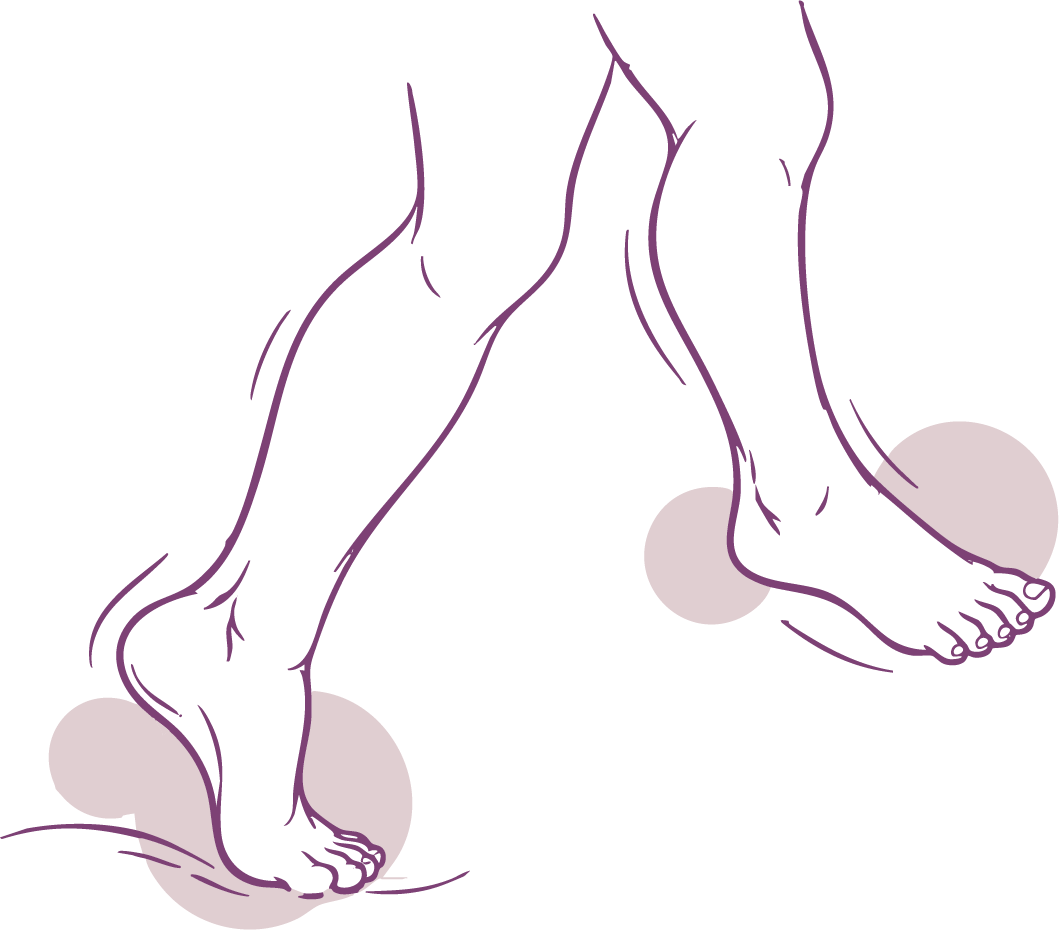
Between the ages of seven and eleven, children become increasingly active through school, play and sport. Their walking and running patterns are now more mature, while growing bones and increasing activity place new demands on the feet and lower limbs.
Although many developmental variations remain harmless, persistent pain, fatigue, instability or uneven movement may benefit from a professional assessment.
A paediatric foot assessment may be beneficial when pain is persistent or recurring, movement appears noticeably uneven, footwear is difficult to fit, or foot and leg concerns begin to limit play, sport or everyday activities.
Our Process
-

Appointment
We start by listening. Tell us about your symptoms, concerns, lifestyle and what you’d like to get back to doing comfortably.
-

Assess
We examine your feet and lower limbs, looking at movement, structure and function to better understand what may be contributing to your symptoms.
-
Foot Scan
Where appropriate, advanced pressure and gait analysis helps us see how your feet interact with the ground and identify patterns that may not be visible to the eye.
-

Treatment Plan
We bring everything together to create a personalised treatment plan, with clear recommendations designed around your findings, needs and goals.